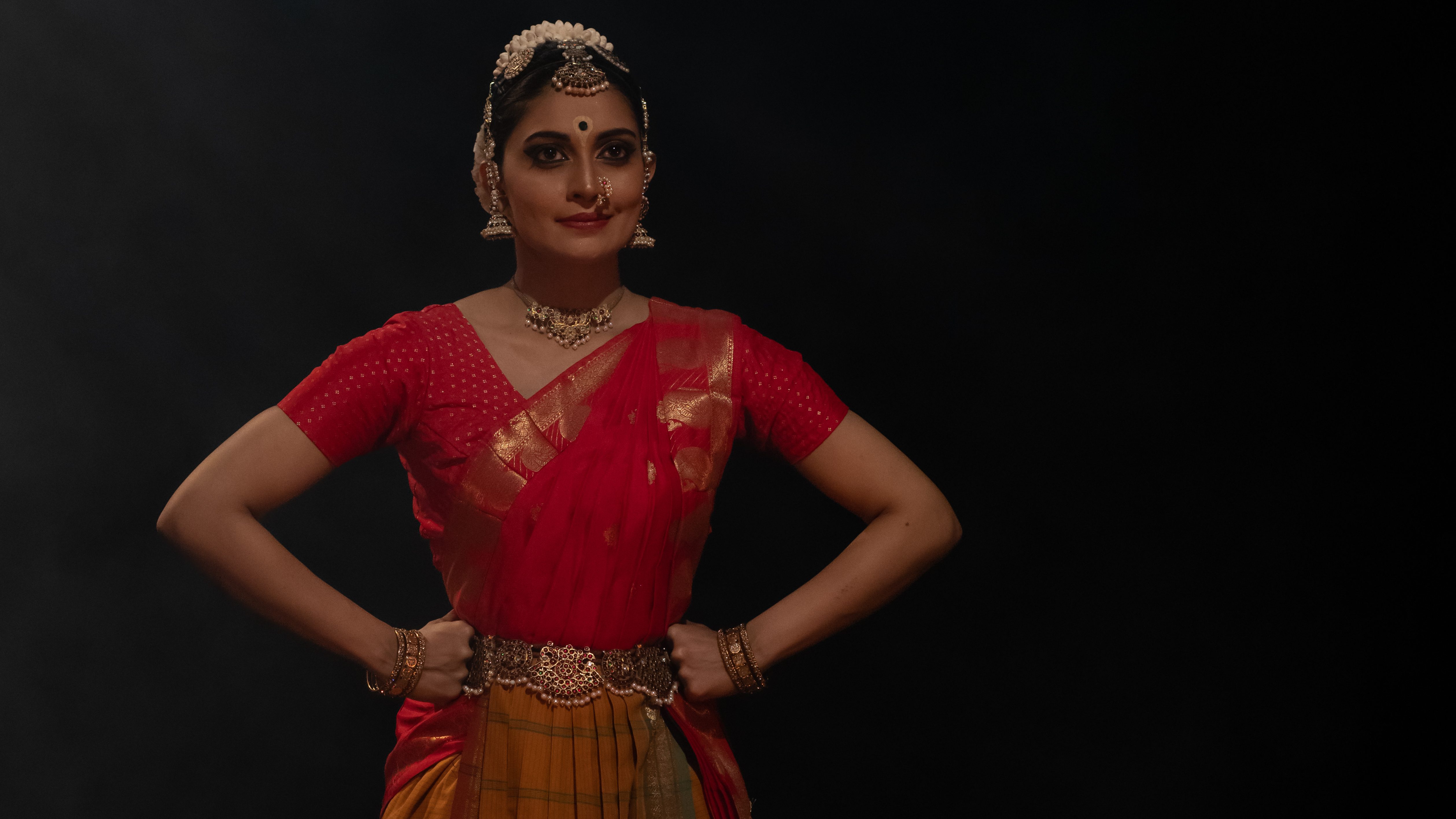
Just as Vitthala embraced the saint-poets of Maharashtra, he embraced me too. He became my best friend, my companion at work, my child, my father and my mother, all at once.
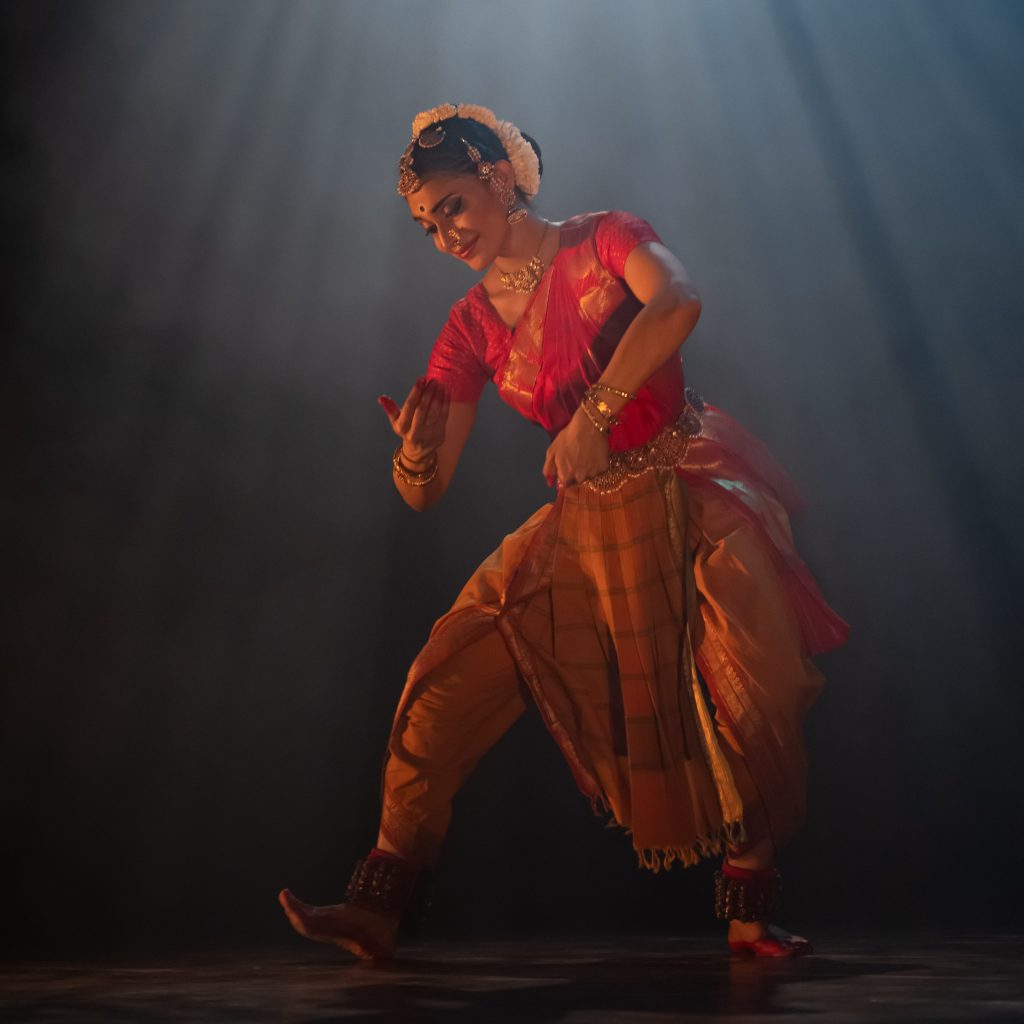
VĀRKARI
A Pilgrimage
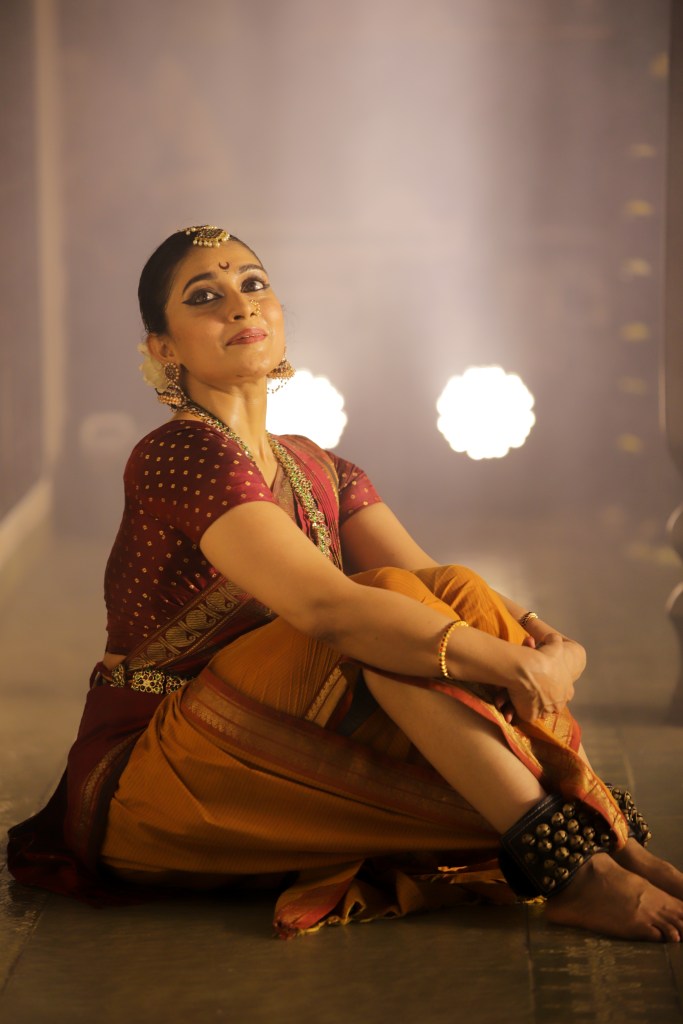
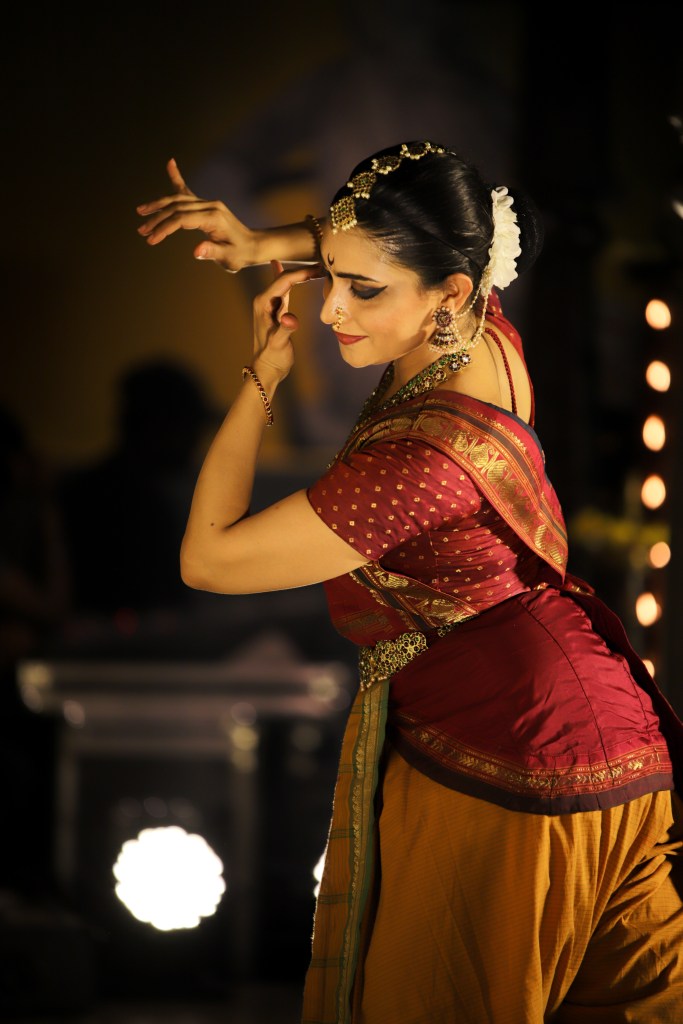
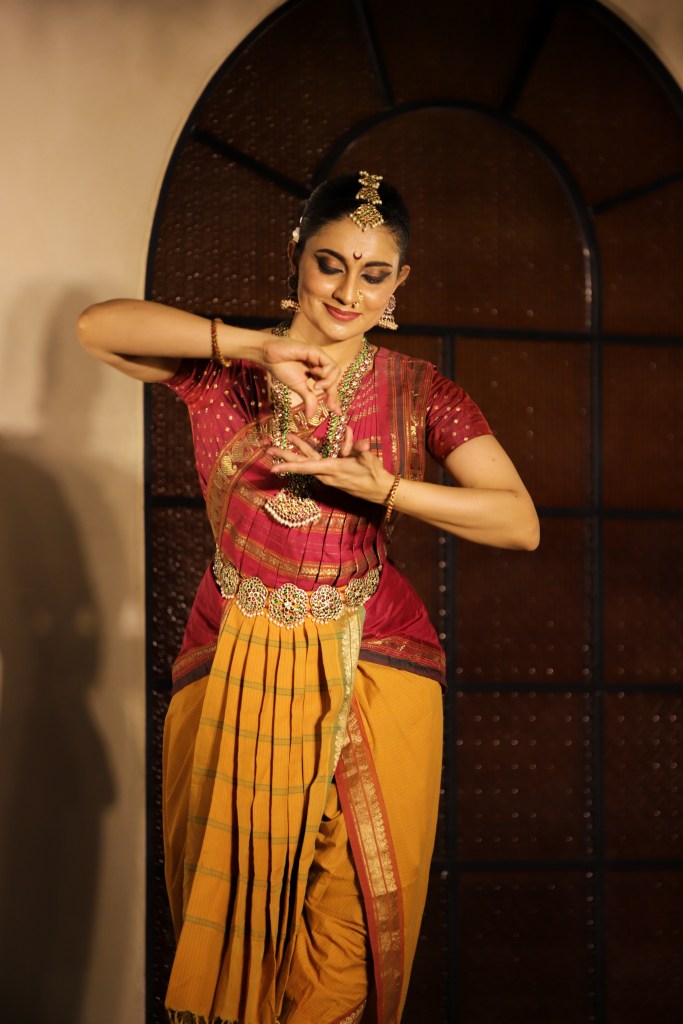
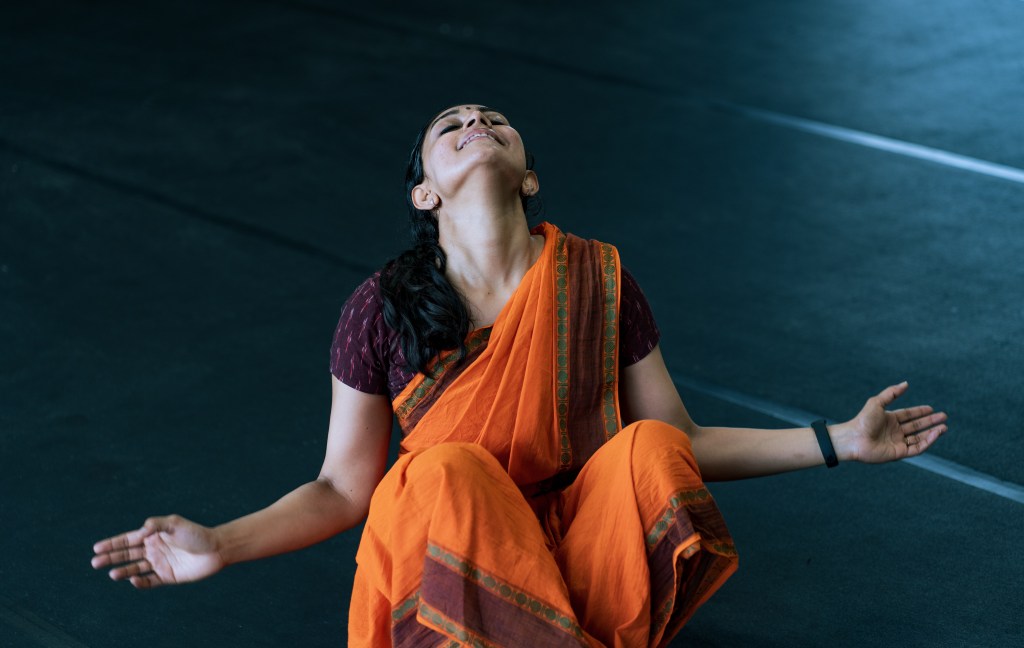
In 14th century CE, one of the most iconic social movements – the Vārkari tradition was born in Maharashtra, Central India. This ‘pilgrimage’ critiques social inequalities through a liberal, inclusive, approach to spirituality, subverting power, patriarchy, and caste-based hegemony.
The Vārkaris were farmers, tailors, goldsmiths, potters, barbers, courtesans, housemaids – and they were all poets and social activists who used their voices to create oral literature in the local vernacular, Marathi. Many were not permitted inside temples, so they brought their beloved God outside temples, into the streets and the homes of people. The deity ‘Vitthal’ became the friend, the co-worker, the lover.
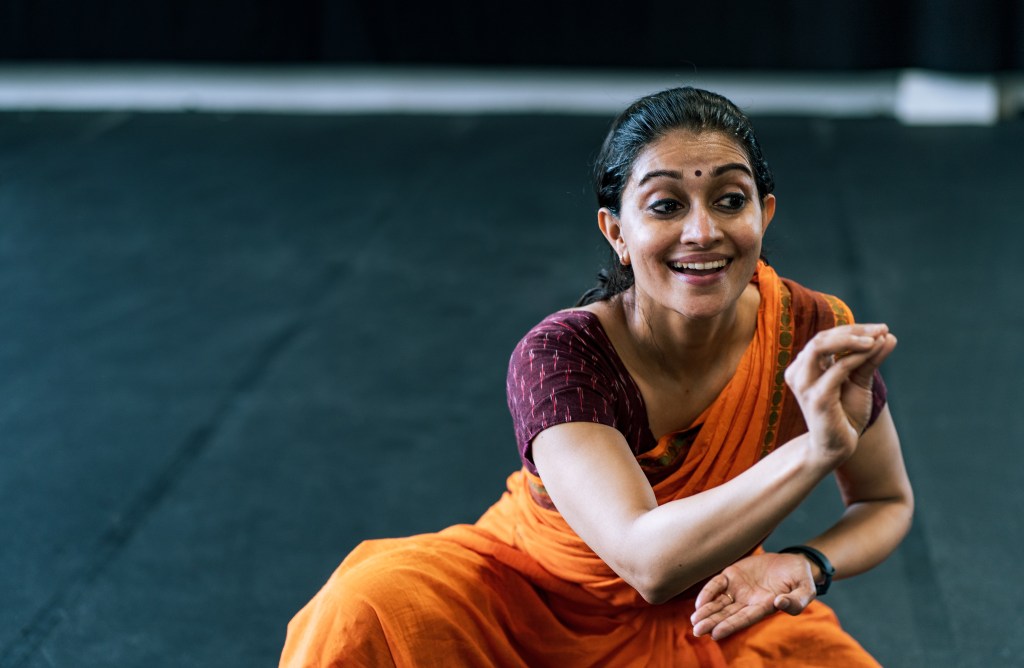
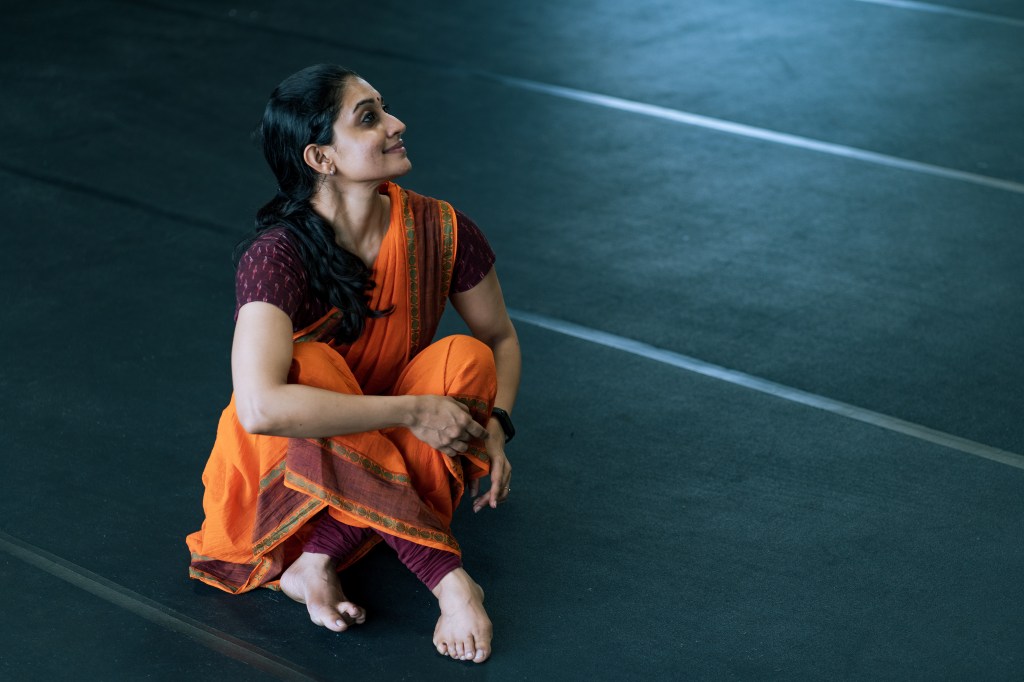
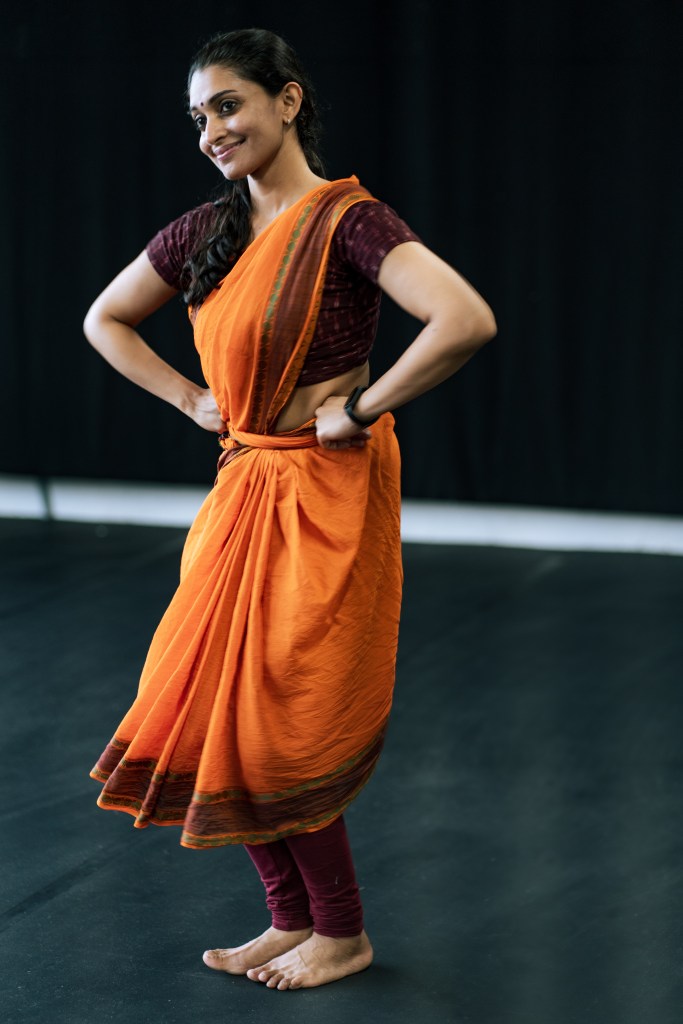
Divya takes you on a Vāri, a pilgrimage with evocative, interconnected poems that elucidate the Vārkari experience – traversing emotions of identity, belonging, accessibility, connectedness and contentment through poetry, song, dance!
CREDITS
Concept, Choreography, Performance
Divya Ravi
Music Composition, Vocals
Sharan Subramanian
Resource Scholar
Dr. Pradnya Agasthi
Musicians
Rohith Bhat Uppoor, Srihari Rangaswamy, Mahesha Swamy,
Suma Rani, Tabla Gurumurthy Vaidya
Mastered at
Studio ANANYA
Duration – 70 minutes
Performed with recorded music
Suited for chamber concerts / black boxes
PAST PRESENTERS
ANHAD Festival, London
Festival of the Soul, London
ANANDA Arts Festival, The Place, Bedford
Anartam Festival, The Curve, Leicester
Berlin Baithak
Kourtyard Kutcheri, Hyderabad
Nrithya Sanathana, Mangalore
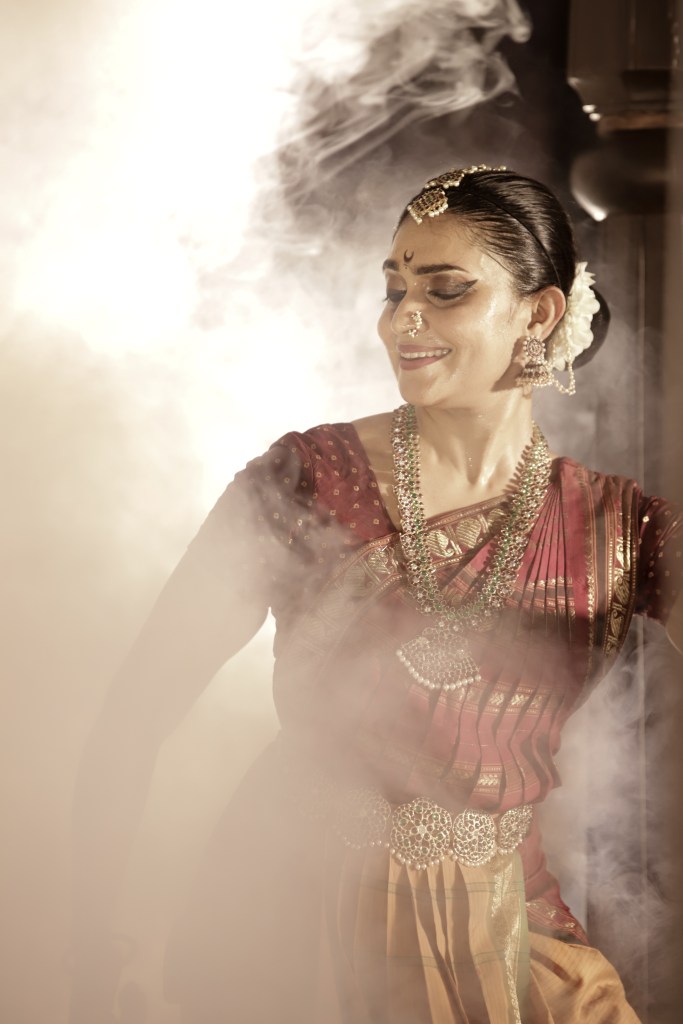
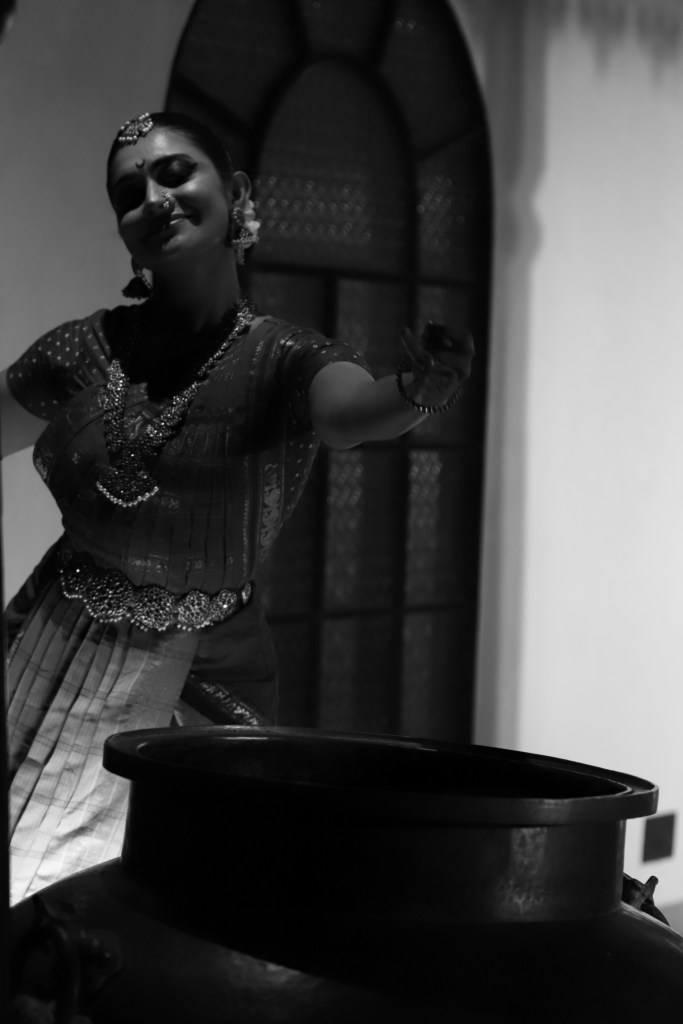
From Performance to Practice
Years of immersion into Vārkari poetry became a starting point for Divya to share her experiences with enthusiastic learners across the globe. In a dedicated chapter of KāvyaRasā: The Poetic Essence (a unique workshop series exploring poetry as material for artistic inquiry), Divya diligently and generously shares her study of the poetry, and a choreographic exploration.
In this series, through the poetry of Vārkari saint-poets, participants learn how poetry can be encountered through language, music, movement and lived experience, and how a poem might move from text into creative / performative practice.
Performer | Choreographer | Educator
Follow
© 2026 Divya Ravi | All rights reserved

